
Solar Pond Pump Buying Guide: Best Options for South African Gardens
Solar Pond Pump Buying Guide: Best Options for South African Gardens
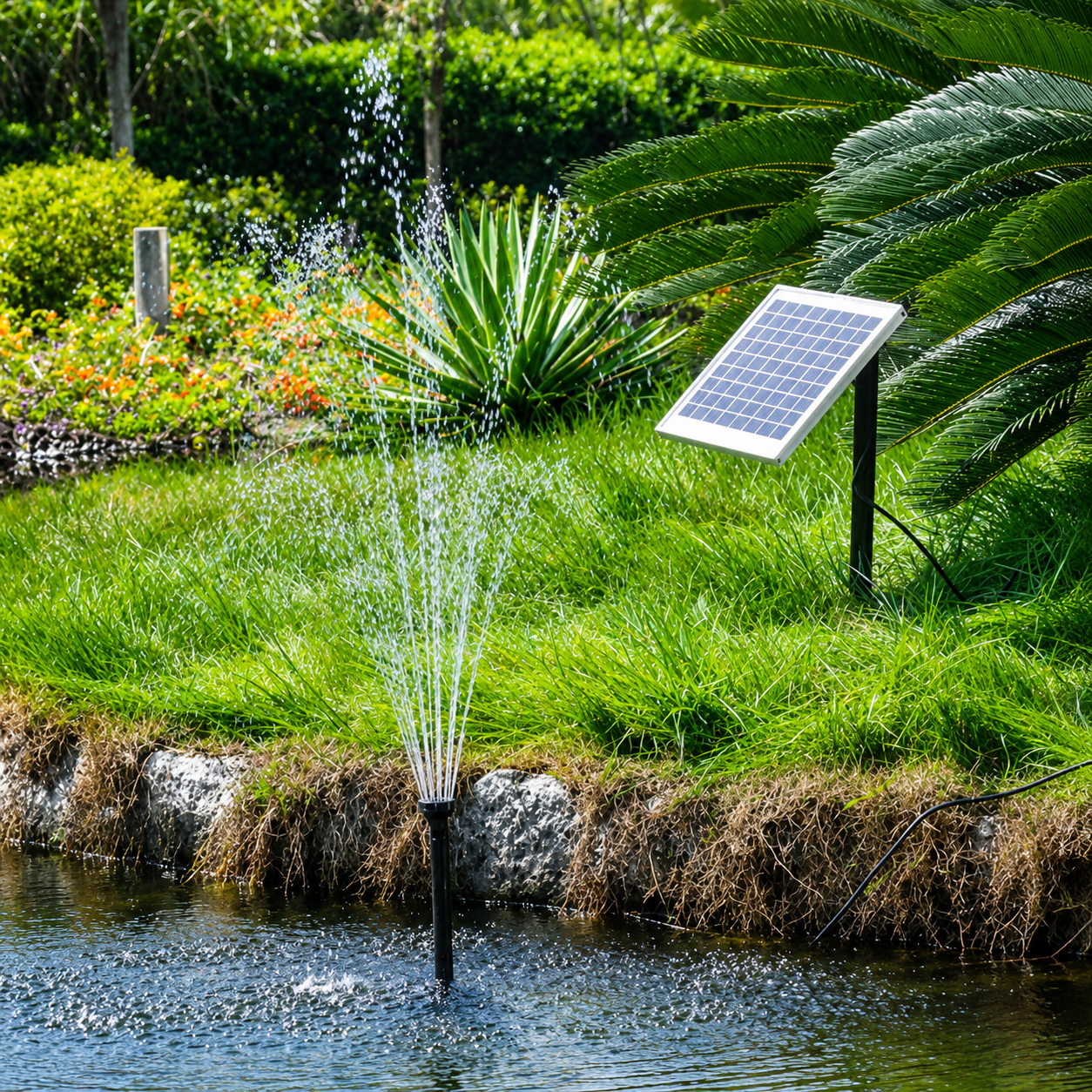
South Africa's abundant sunshine makes solar pond pumps a practical, cost-effective choice for garden ponds — especially with Eskom load shedding making grid reliability a real concern. Whether you're running a koi pond, a water feature, or a small ornamental pond, a solar-powered pump can keep your water circulating and oxygenated without adding to your electricity bill.
This guide covers everything you need to know before buying: how solar pond pumps work, what specs to look for, and which setups suit different pond sizes.
How Does a Solar Pond Pump Work?
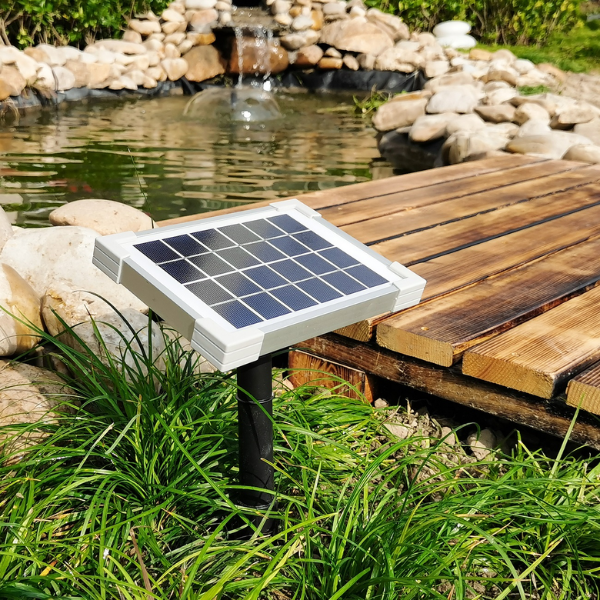
A solar pond pump system consists of three main components:
- Solar panel — converts sunlight into DC electricity
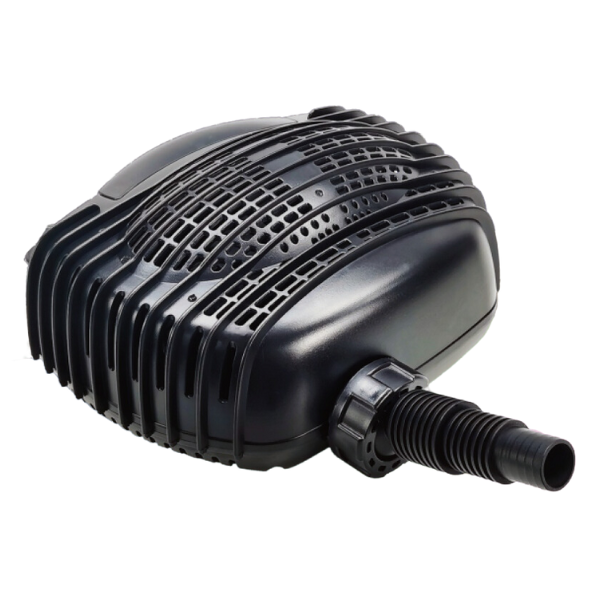
- Pump motor — drives water circulation (submersible or surface-mounted)
- Optional battery or controller — stores power for cloudy days or night operation
Most entry-level kits are direct solar (panel → pump, no battery), meaning the pump runs only when the sun is shining. This is fine for decorative fountains and aeration. If you need 24/7 circulation — for koi ponds or biological filtration — look for a kit with a battery backup or pair your pump with a separate 12V battery system.
Key Specs to Understand Before You Buy
1. Flow Rate (L/h)
Flow rate tells you how many litres per hour the pump moves. As a general rule:
- Ornamental/fountain ponds: aim to turn over the full pond volume once every 1–2 hours
- Koi ponds: once every 30–60 minutes for adequate filtration
Example: A 2,000L koi pond needs a pump rated at least 2,000–4,000 L/h.
2. Head Height (Max Head)
Head height is the maximum vertical height the pump can push water. Every metre of vertical lift reduces flow rate significantly. If your filter or waterfall outlet is 1.5m above the pond surface, choose a pump rated for at least 2m of head to maintain adequate flow.
3. Solar Panel Wattage
Higher wattage = more power = stronger pump performance in partial shade. For South African conditions:
- 10–20W panels suit small decorative ponds (up to ~1,000L)
- 30–50W panels handle medium ponds (1,000–5,000L)
- 80W+ panels are needed for larger koi ponds or high-head applications
4. Direct Solar vs Battery-Backed
| Feature | Direct Solar | Battery-Backed |
|---|---|---|
| Runs at night | ✗ | ✓ |
| Works during load shedding | Daytime only | ✓ (if charged) |
| Cost | Lower | Higher |
| Best for | Fountains, aeration | Koi, filtration |
Is a Solar Pond Pump Suitable for Koi?
Yes — with the right setup. Koi require consistent oxygenation and filtration, so a direct solar pump alone is risky (the pump stops at night or on overcast days). For koi ponds, we recommend:
- A battery-backed solar pump kit, or
- A 12V DC solar pump paired with a dedicated deep-cycle battery and solar charge controller
This gives you reliable 24/7 circulation even through load shedding and cloudy Highveld winters.
Solar Pond Pump Options at Waterhouse
We stock a range of solar pond pump solutions suited to different pond sizes and budgets:
Solar Powered Pond Pump Kits — complete all-in-one kits with panel, pump, and fittings. Ideal if you want a plug-and-play solution.Solar 12V Pond Pumps — standalone 12V DC pumps to pair with your own panel and battery setup. Great for custom builds.Pond / Fountain Pumps — browse our full pond pump range if you're comparing solar vs mains-powered options side by side.
Not sure which kit suits your pond?
Installation Tips for South African Conditions
- Panel angle: Tilt your panel at roughly 26° (Gauteng latitude) facing north for maximum year-round output.
- Shade: Even partial shading from trees or walls can cut output by 50%+. Site your panel in full sun.
- Winter performance: Highveld winters bring clear skies but shorter days — direct solar pumps will run fewer hours. Factor this in for koi ponds.
- Cable runs: Keep cable runs between panel and pump as short as possible to minimize voltage drop, especially on 12V systems.
- Submersible placement: Position the pump near the pond bottom, away from the filter intake, to maximize circulation.
Quick Buying Checklist
Before you add to cart, confirm:
- Pond volume (length × width × average depth in metres × 1,000 = litres)
- Required flow rate (pond volume ÷ desired turnover time in hours)
- Head height to your filter/waterfall outlet
- Whether you need 24/7 operation (battery-backed) or daytime-only (direct solar)
- Available panel mounting location with full sun exposure
Browse our or to find the right fit for your pond.
Published by Waterhouse | waterpumps.co.za

Please upload banner from store admin blog pages